What Is the Best Gold Carat for a Ring? A Guide to Durability & Everyday Wear
- Jan 4
- 3 min read
Choosing the right gold carat for a ring is about more than colour or price — it’s about durability, longevity, and how your piece will wear over time. Whether you’re selecting an engagement ring, wedding band, or an everyday essential, understanding gold carats ensures your jewellery is as practical as it is beautiful.
So, what is the best gold carat for a ring? Let’s break it down.

Understanding Gold Carats
Gold carats (K) measure how much pure gold is present in an alloy. Pure gold (24K) is naturally soft, which means it must be mixed with other metals to make it suitable for jewellery.
The lower the carat:
the stronger the metal
the better it performs for daily wear
The higher the carat:
the richer the colour
the softer the metal

Comparing Gold Carats for Rings
10K Gold — Maximum Strength
Gold content: 41.7%
Durability: Very high
Best for: Hard-wearing, budget-friendly jewellery
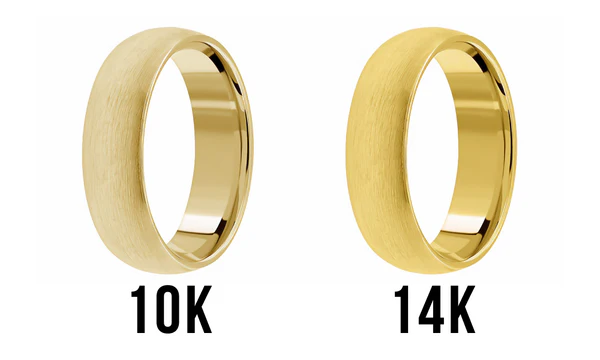
10K gold is the most durable option due to its higher alloy content. However, it has a paler colour and may not suit those with very sensitive skin.
14K Gold — The Perfect Balance
Gold content: 58.5%
Durability: Excellent
Best for: Engagement rings, wedding bands, everyday wear
14K gold is widely considered the best gold carat for rings. It offers outstanding strength while maintaining a rich, luxurious colour. Importantly, it holds prongs securely, making it ideal for diamond and moissanite settings.
This is why most fine jewellers — including us — recommend 14K gold for daily-wear pieces.
18K Gold — Luxe but Softer
Gold content: 75%
Durability: Moderate
Best for: Statement pieces, thicker bands, special-occasion wear
18K gold has a deeper, warmer tone but is softer and more prone to scratching and bending. While stunning, it requires more care over time.

Does Gold Colour Affect Durability?
Yes — alloy composition matters:
White gold: 14K is ideal for strength and longevity
Yellow gold: 14K balances colour and durability beautifully
Rose gold: Naturally stronger due to copper content (even at higher carats)
Our Expert (and Honest) Recommendation
When choosing the right gold carat, it’s important to consider how the piece will be worn — not just tradition.
Everyday Jewellery: 10K Gold
For everyday pieces such as bands, stackable rings, bezel-set designs and jewellery intended for constant wear, 10K gold is often the better choice.
Its higher alloy content makes it:
✔ More scratch-resistant
✔ Less prone to bending or warping
✔ Lower maintenance for daily wear
✔ More budget-friendly without sacrificing longevity
For pieces worn day in and day out, the durability and value of 10K gold often outweigh the need for softer, more malleable metals traditionally used for fine prongs.
Engagement & Heirloom Pieces: 14K Gold
For engagement rings, heirloom designs and delicate prong-set styles, 14K gold remains the preferred option.
It offers:
✔ Excellent balance of strength and malleability
✔ Secure, forgiving prong settings
✔ Beautiful, rich colour
✔ Easier long-term maintenance and repair
When a ring features fine prongs, a very thin band or a high-value centre stone, 14K gold provides an added margin of security over decades of wear.
The Takeaway
Both carats serve different purposes — and neither is “better” in every scenario.
10K gold excels for everyday, low-maintenance jewellery
14K gold is ideal for engagement and heirloom pieces where prong flexibility matters most
Choosing the right gold is about matching the metal to your lifestyle — and designing jewellery that’s meant to be worn, not worried about.


Comments